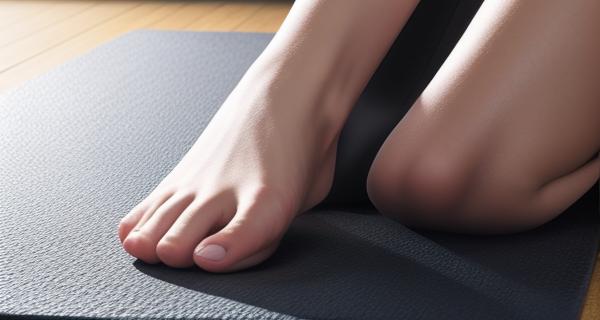
Yoga Mat Comfort
Choosing the right yoga mat is more than just picking a bright color or slick surface—at its core, it’s about comfort, support, and sustainability that aligns with your practice and values. Your yoga mat serves as the foundation of every pose, influencing alignment, stability, and even mental focus. Whether you’re rolling out for morning flow, restorative stretches, or meditation on the mat, the right choice empowers deeper connection and safer movement.
Comfort begins with material. High density PVC mats offer durability and grip, while TPE (thermoplastic elastomer) is lightweight, non slip, and soft under sweaty palms and knees. Eco conscious practitioners should explore organic cotton reinforced mats or bamboo based options that provide cushioning without sacrificing performance. Thickness matters, too—five millimeters typically balances support for joints, especially during warrior poses or long holds, while thinner mats suit dynamic styles like power yoga.
Support is equally vital. A mat should cradle your spine in seated postures, stabilize your wrists in plank variations, and cushion knees in deep lunges—without adding drag or compromising balance. Look for non toxic, phthalate free formulations to keep both body safe and planet healthy. The surface texture plays a subtle but powerful role: textured bottoms enhance grip during sweaty sessions, preventing slippage even when your practice gets intense.
Sustainability is no longer optional—it’s essential. Traditional mats often sit in landfills for decades due to mixed materials that resist recycling. Opting for certified eco friendly brands ensures your mat supports circular design principles—made from recycled content or biodegradable components—and produced with renewable energy and ethical labor practices. Some companies even offer take back programs, turning old mats into new ones, reducing environmental harm one roll at a time.
Choosing the right yoga mat isn’t just about physical comfort—it’s an act of mindfulness and intention. It reflects your dedication to self care, your commitment to sustainable living, and your respect for body diversity. Take time to test weights, textures, and thicknesses. Trust your instincts: if it feels right under your hands and knees, aligns with your goals, and mirrors your values—it’s more than gear; it’s a partner in your journey. Elevate your practice, protect the planet, and feel the difference every breath takes—because yoga mat comfort starts with purpose.
Yoga Mat Support
When it comes to your daily yoga practice, a quality yoga mat is more than just a floor covering—it’s your trusted companion, supporting every pose, breath, and breakthrough. But with countless options flooding the market, how do you choose the *perfect* yoga mat that delivers comfort, stability, and sustainability? Whether you’re a seasoned yogi or just stepping onto your mat for the first time, understanding what makes a mat truly supportive can transform your experience from ordinary to extraordinary.
A great yoga mat starts with the right material. Natural options like cork offer exceptional grip and eco conscious benefits, while high density PVC provides durability without compromising safety—free from harmful chemicals like phthalates. For eco warriors, organic cotton mats or hemp blends deliver breathability and sustainability without sacrificing stability. The ideal surface shouldn’t slip under sweaty palms or wobbly heels; it guides your body into alignment while absorbing sweat to keep your mind clear and focused.
Support begins beneath the hands and spine. A mat with a balanced thickness—typically 6mm to 8mm—shocksabsorbs joints, reducing strain on wrists, shoulders, and knees during poses like Downward Dog or Warrior II. Look for cork’s natural grip to prevent sliding, even during dynamic flows. Thickness matters: too thin, and support fades; too thick, and movement becomes stiff. Find that sweet spot where every breath feels grounded and every transition smooth.
Sustainability is no longer optional in yoga. Supporting a brand that uses recycled materials or carbon neutral production sends a powerful message—your practice can honor both your body and the planet. Many top mat makers now partner with ethical factories, ensuring fair labor practices alongside eco friendly innovation. Choosing a sustainable mat doesn’t mean compromising quality; it means building a lifelong partnership between mindfulness and responsibility.
Ultimately, selecting the right yoga mat is an act of self care and intention. It’s about listening to your body—supporting your roots while empowering growth. Take time to test grips, thickness, edge quality, and eco credentials; your ideal mat won’t just keep you stable—it will inspire deeper connection, comfort, and consistency in every session.
Because a yoga mat isn’t just gear. It’s your foundation for wellness—designed not only to support your poses but to uphold your values. Choose wisely. The path forward starts beneath your hands.
Sustainable Yoga Mats
Choosing the Right Yoga Mat: A Guide to Comfort, Support, and Sustainability
In today’s wellness world, your yoga mat is far more than just a floor cover—it’s the foundation of every practice. Whether you’re rolling out on a sunlit porch or sharing postures online with a global community, selecting the perfect **yoga mat** can transform your experience. But with an endless array of options—from recycled materials to traditional PVC—how do you choose wisely?
The right yoga mat balances comfort, durability, and eco consciousness. At its core, support matters most: a high density yoga mat offers steady grip and excellent joint cushioning, especially during deep postures or long holds. Prioritize thickness that matches your style—thinner mats suit dynamic sequences, while thicker ones ease pressure on knees and wrists. But comfort isn’t just physical; it’s also sustainable.
Sustainability is no longer optional—it’s essential. Traditional yoga mats often rely on petroleum based PVC, contributing to plastic waste and chemical leaching. Enter the sustainable yoga mat: crafted from natural, renewable materials like Sisal, Jute, or natural rubber blended with eco friendly binders. These mats deliver outstanding grip and resilience while minimizing environmental impact. Many brands now use zero VOC inks and compostable packaging, aligning your practice with conscious values without sacrificing performance.
Choosing responsibly also means considering longevity. A premium sustainable mat worn daily can last 2–3 years—significantly longer than standard mats prone to slip and wear. This durability reduces waste, supports ethical manufacturing, and offers better value over time. For eco aware yogis, supporting brands committed to transparency—like fair trade sourcing and carbon neutral production—adds another layer of purpose to your gear: every roll becomes a mindful choice for people and the planet.
Comfort on the mat directly impacts focus and flow. A well designed yoga mat offers precise texture—neither too slick nor too rough—supporting balance without compromising safety. Paired with green certifications (like OEKO TEX or GOTS), your choice reflects care for both body and Earth.
So the next time you step onto your mat, remember: it’s not just a tool—it’s an expression of who you are as a yogi and a steward of the world. Prioritize quality, comfort, and sustainability—because the most powerful yoga practice begins with a safe, ethical foundation beneath every pose.
Choosing a Yoga Mat
Choosing a Yoga Mat
A Guide to Comfort, Support, and Sustainability
Finding the right yoga mat is more than selecting a piece of flooring—it’s about investing in your practice, your body, and your planet. Whether you’re rolling out for morning flow, evening restorative sessions, or daily mindfulness, your yoga mat sets the foundation for every pose and breath. But with countless options across materials, thicknesses, textures, and eco credentials, making the right choice can feel overwhelming.
At its core, a great yoga mat balances three essential elements: comfort, support, and sustainability. Comfort begins with thickness—thicker mats cushion joints during deep stretches, ideal for hip openers or restorative yoga—while thinner mats offer better grip for dynamic styles like vinyasa. Surface texture matters too; grippy surfaces prevent slipping, especially under sweaty palms, enhancing safety and focus.
Support is equally critical. A mat with proper density helps maintain alignment in poses like warrior III or tree, reducing strain on knees and shoulders. High quality foam or natural rubber compositions provide resilience that adapts to your body without breaking down fast. Durability ensures your mat stays effective through daily sweat and use—critical whether practiced at home or the studio.
But today’s mindful practitioners demand more than performance: they seek sustainability. Eco conscious mats made from cork, organic cotton, jute, or recycled rubber not only minimize environmental impact but often feel softer and more naturally resilient. Many brands prioritize non toxic inks and ethical manufacturing, aligning your practice with values that matter.
When narrowing down options, ask: Do I need extra cushioning for joint sensitive poses? Will my mat handle consistent exposure to sweat and cleaning routines? Is biodegradability or recyclability important to me? Consider trial—many studios offer rentals or pre used options so you can test comfort before committing.
Choosing the right yoga mat isn’t just about functionality—it’s a statement of care: for your body, for consistency in practice, and for the planet. With the perfect mat by your side, every breath becomes deeper, every pose more intentional, and every session a step toward holistic wellness. Elevate your practice—start with a mat that supports you, gently yet firmly.