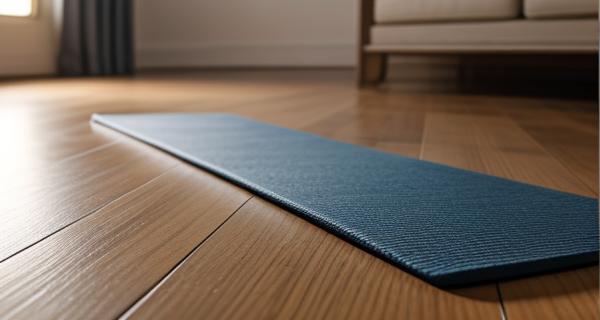
Yoga Mat Price Ranges
Yoga Mat Price Ranges
Understanding yoga mat price is essential for anyone serious about their practice—whether you’re just starting out or deepening your daily routine. The cost of a yoga mat varies widely based on material, thickness, durability, and brand, making it crucial to choose the right one without overspending. This guide breaks down current **yoga mat price** ranges to help you invest wisely in equipment that supports your yoga journey.
For beginners budgeting around $30–$50, high quality PVC mats offer reliable grip, durability, and support—perfect for mat beginners. These mats usually feature a non slip surface made with eco friendly materials, balancing cost efficiency with performance. While thinner at 3–5 mm, they provide just enough cushioning for most poses without sacrificing form practice integrity.
Mid range options between $50 and $120 typically feature TPE (Thermoplastic Elastomer) or natural rubber mats. Known for superior grip, hypoallergenic properties, and eco conscious production, these mats often include ergonomic designs with textured edges to enhance stability. Durable enough for daily use, they’re ideal for power yoga, Hatha, or restorative sessions where grip and support matter most—making them a top **yoga mat price** investment for consistency and comfort.
Premium mats exceeding $120 cater to advanced practitioners demanding extra cushioning, premium eco materials like organic cotton, jute, or cork infused surfaces. Brands in this tier prioritize sustainability and long term performance with materials that break even over time thanks to exceptional durability and reduced environmental impact. Expect thickness from 6–8 mm, offering superior shock absorption for joint friendly practice—ideal for frequent asanas or injury conscious yogis seeking elite support without compromise.
When evaluating **yoga mat price**, consider use frequency, yoga style, and personal needs such as grip preference and environmental values. While entry level mats fit short term budgets, mid tier options offer lasting performance that justifies the investment for true practitioners. High end, while pricier, aligns with ethical consumption trends and enhances comfort during intense sessions.
Ultimately, finding your perfect **yoga mat price** isn’t about matching a dollar sign—it’s about pairing budget with purpose. Prioritize quality over trends, look beyond base costs to long term durability, and ensure the mat aligns with your physical alignment and values. With the right pricing strategy, every practice becomes more intentional, supported, and joyful—proving that genuine wellness begins where value meets authenticity.
Mat Material Properties
Yoga Mat Price Guide: Finding the Right Mat for Your Practice
Understanding yoga mat price is just the first step—choosing the ideal mat material can transform your practice from ordinary to extraordinary. With the right yoga mat price aligning with your body type, style of yoga, and personal values, you unlock better comfort, durability, and sustainability.
When diving into yoga mat price considerations, begin by exploring the key materials available: natural rubber, PVC, TPE (thermoplastic elastomer), and cork. Natural rubber mats offer a resilient grip and eco friendly credentials, making them ideal for advanced practitioners seeking long lasting support. Their softness matches high intensity vinyasa and power yoga flows but can be pricier—typically ranging from $40 to $90 depending on thickness and brand.
If sustainability drives your purchase, TPE emerges as a top contender. Made from non toxic, recyclable materials without latex or phthalates, TPE mats balance durability with environmental responsibility. While initially costing slightly more than mainstream PVC options ($35–$70), they resist slipping and retain shape over years of use—especially useful for hot yoga sessions that generate sweat.
For budget conscious yogis or beginners, PVC remains accessible and lightweight. Widely available from major brands, these mats are typically priced between $25 and $50, offering solid cushioning suitable for casual Hatha or restorative work. Their durability holds strong under regular use but may lack the eco appeal of alternatives.
Tactile comfort hinges heavily on density and thickness—common ranges from 6mm to 8mm. Thicker mats provide added joint support, crucial for prolonged downward dog or restorative poses. Meanwhile, texture matters: natural rubber grips firm underfoot without slipping, while textured TPE adds enhanced stability.
Cork, though rare and pricier ($60–$100), delivers unique benefits—biodegradable, naturally antimicrobial, and uniquely padded for gentle on hips and knees. Perfect for grounding poses or sensitive joints, it elevates eco conscious yoga lifestyles beyond price tags.
Ultimately, yoga mat price isn’t just a financial figure—it’s an investment in your practice. Match material properties to your needs: prioritize grip and durability if you’re active, leana towards natural and sustainable options if ethics matter, or stick within budget for accessible beginner use. Shop mindfully—read reviews, test swatches if possible—and remember that the best mat price offers lasting alignment with your body, practice, and values.
Yoga Mat Thickness Considerations
Choosing the right yoga mat is essential for enhancing your practice—stability, comfort, and alignment all begin with understanding **yoga mat thickness considerations**. Whether you’re a seasoned yogi or just starting out, selecting a mat that matches your needs can transform how you perform poses, reduce joint strain, and support long term wellness. But with options ranging from ultra thin to extra padded, navigating the yoga mat thickness landscape might feel overwhelming. Let’s break it down with clarity and intention—so you can find the perfect fit without breaking the bank.
The key factor in choosing your ideal mat isn’t just thickness alone but how it influences your body alignment, balance, and energy throughout a session. Standard mats typically range from ½ inch to over 1 inch thick, giving practitioners a spectrum of support tailored to different styles and goals. Thinner mats—usually around ¼ to ⅜ inches—excel at helping weight bearing poses feel light and responsive. They offer minimal cushioning, which is excellent for power yoga or Hatha flows where grounding and alignment are key. However, they can emphasize pressure points, especially on sensitive joints or wrists, so those with joint concerns should approach carefully.
Moving toward the ⅜ to ½ inch thick, this range strikes the perfect balance for most practitioners. The subtle thickness delivers just enough padding to soften intense postures while keeping your connection to the floor intact—ideal for Vinyasa, Yin, or restorative yoga where balance between support and stability matters most. For beginners, this mid thickness offers a forgiving yet grounding experience, reducing fatigue in hands and knees without sacrificing precision.
For those practicing deeper stretches or seeking extra cushioning—such as in yoga styles emphasizing deep backbends, forward folds, or joint heavy poses—the 1 inch plus option shines. Padding absorbs impact, minimizes pressure, and enhances comfort during prolonged holds. This thickness supports longer sessions with reduced strain, making it a go to for recovery focused practitioners or individuals recovering from injury. Yet, note that thicker mats can feel unstable under dynamic transitions if you’re not used to them—especially on slippery surfaces or uneven floors.
Beyond thickness, material plays a vital role: natural rubber offers superior grip and eco friendly durability; cork delivers organic cushioning with breathability; TPE balances affordability and performance. Your personal preferences matter just as much as technical specs. Consider your practice intensity, yoga style, comfort threshold, and environmental values when deciding.
In today’s budget conscious market, smart spending means valuing thickness alongside long term value—not just upfront cost. A slightly pricier ½ inch mid thick mat often pays off through durability and alignment support, reducing the need for frequent replacements. Compare warranties, recyclability, and eco certifications to align your purchase with ethical priorities too.
Ultimately, finding your ideal yoga mat is about harmony—between body, practice, and budget. Start by assessing your primary poses, joint sensitivity, and training environment. Test mats in person if possible, or rely on detailed thickness reviews online. Remember: a well chosen mat isn’t just equipment—it’s a foundation for mindful movement, increased confidence, and lasting comfort. Invest wisely, practice deeply, and let your mat support every journey forward.
Best Yoga Mat Types for Different Practices
Finding the right yoga mat price doesn’t have to break the bank—or compromise your practice. Whether you’re a beginner just discovering the calming rhythm of breath and movement, or an advanced yogi building strength and flexibility, your yoga mat plays a vital role in comfort, alignment, and long term performance. But with so many options across different materials, thicknesses, and price points, choosing wisely can feel overwhelming.
Start with understanding **yoga mat price** ranges and what each tier delivers. At the entry level, budget mats typically range from $10–$20 and are usually made of PVC or TPE (thermoplastic elastomer). These lightweight mats offer foundational grip and cushioning for casual practice, but they may lack durability and eco friendliness. Still, for occasional sessions at home or travel, a quality entry mat delivers reliable support without overspending.
Mid range mats, priced between $20–$40, strike the perfect balance of performance and value. Features like 6mm thickness provide firmness for joint friendly support on hard floors, while textures range from smooth to non slip silicone, enhancing control during balance poses. Brands like Manduka or Jade Yoga dominate here, appealing to practitioners who invest in consistent, effective practice without sacrificing budget.
For serious yogis practicing daily on varied surfaces—from studio floors to home rugs—premium mats priced $40–$70 offer superior durability and comfort. Natural TPE or eco conscious materials like linseed oil based PVC provide better grip, non toxic composition, and a slipper resistant surface critical for dynamic movements. These high end options often include ergonomic contours and personalized branding, turning your mat into both a personal tool and a statement of mindful living.
Beyond material and thickness, consider use case: hot yoga demands moisture wicking surfaces; Vinyasa thrives on grip and shock absorption; restorative practices call for ultra cushioned foam. Even the layout—grab top vs. no handle design—affects transitions between poses. Researching real user reviews focused on longevity, durability under sweat, and environmental impact helps cut through misleading marketing and identifies long term value.
Smart shopping begins with defining your practice style and budget, not just price alone. With the right balance of quality, support, and affordability, the best yoga mat price delivers far more than cushion—it nurtures sustainable progress, enhances comfort, and elevates every asana. Invest in a mat that grows with your journey: affordable enough to keep at your doorstep, durable enough for countless sessions, and aligned with ethical values that matter. Your practice deserves nothing less. In today’s fitness landscape where authenticity drives choice, selecting the ideal mat by understanding **yoga mat price** empowers you to move freely, safely, and sustainably—one breath, one pose, one perfect mat at a time.