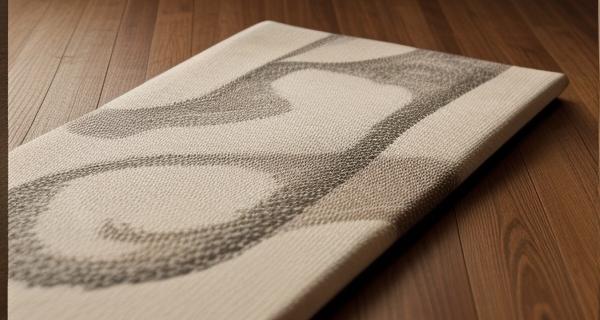
Yoga Mat Cost Breakdown
Understanding Your Yoga Mat Price Starts Here—Because Wellness Should Be Affordable Without Compromising Quality
For anyone stepping onto the mat, yoga isn’t just a workout—it’s a lifestyle rooted in mindfulness, strength, and freedom of movement. But before you unlock that inner peace, knowing your ideal yoga mat price is essential. So, what does a genuine yoga mat cost really look like in today’s market? This comprehensive guide breaks down the key factors influencing **yoga mat price** so you can find excellence without overspending.
The range across brands and quality levels varies widely—often from $10 for basic mats to over $150 for premium options designed with advanced materials and ergonomic features. What exactly determines this wide spectrum? First, material matters most: natural rubber, PVC free TPE (thermoplastic elastomer), cork, or eco conscious alternatives like yute all impact both cost and performance. Natural rubber mats, known for superior grip and durability, typically command a mid to high price point, while PVC based mats offer affordability with less longevity.
Durability ties directly into value—how many practices can you expect before replacement? Mats built to last endure repeated folding, cleaning, and rigorous use, justifying a higher initial investment. Sustainability conscious buyers may pay more for eco friendly mats made from organic or recycled materials—eco certified options that reduce environmental impact while delivering excellent grip and support now compete competitively with traditional models.
Feature sets elevate pricing: non slip surfaces prevent accidents during sweaty flows, grip patterns enhance precision on challenging poses, and thickness levels affect joint protection and comfort. For advanced practitioners or those recovering from injury, reinforced edges and multi density layers provide targeted support—translating into a steeper price but long term performance benefits.
Beyond product specs, brand reputation plays a role in yoga mat pricing. Established players with consistent quality control and ethical manufacturing often place their products at the higher end of the scale, though emerging brands deliver innovative designs at accessible price points through efficient production and sustainable sourcing.
Ultimately, your ideal **yoga mat price** depends on your practice style—whether you’re a casual yogi seeking a budget starter or an active enthusiast investing in performance. Prioritize mats with strong support, non slip traits, and alignment with personal values around sustainability and ethics. Compare warranty terms and user reviews to ensure value beyond the sticker price.
This guide puts transparency front and center, empowering you to choose wisely without sacrificing quality. When your yoga mat pays you back through durability, comfort, and integrity in every pose—wellness feels not just achievable, but truly sustainable.
Material Matters: Impact on Price
Yoga Mat Price: Understanding How Material Shapes Quality and Cost
When stepping onto your mat for breathwork, dawn flows through serenity—but what drives those prices? The **yoga mat price** is far from uniform; it hinges on the core material used, each with distinct benefits, durability, and cost implications. Choosing the right yoga mat means balancing performance with value—and knowing how materials impact **yoga mat price** is key to making a smart purchase.
Natural rubber remains the gold standard for performance focused mats. Sourced from sustainably tapped rubber trees, this material delivers exceptional grip, resilience, and eco conscious credentials. Its cushioned yet firm support reduces joint strain during flows, making it ideal for hot yoga and intensity driven practice. However, genuine natural rubber mats demand a premium: expect prices typically ranging from $25 to $50, reflecting superior quality and sustainability.
Enter polyethylene—a budget friendly alternative offering durability and moisture resistance at a lower **yoga mat price**. Lightweight and easy to clean, polyethylene is perfect for beginners or outdoor use but may lack the tackiness of natural rubber, especially on sweaty surfaces. Generally priced between $10 and $30, it’s accessible without compromising foundational support, though advanced practitioners may prefer its forgiving feel over long practice sessions.
Natural cork, celebrated for grip and vibration absorbing properties, delivers a premium experience. Harvested from the bark of cork oak trees every nine years—without harm—the material feels luxuriously firm yet softens with use. But this eco lux comes at a cost: cork mats often land in the $40–$60 range, signaling quality and sustainability but pricing them out for some budgets. For yogis prioritizing grip stability and mindful pressure points, that extra investment enhances practice depth.
Then there’s TPE (thermoplastic elastomer), a synthetic gem blending rubber like feel with hypoallergenic safety and recyclability. Widely adopted for its consistent performance across temperatures and easy care, TPE offers a middle tier **yoga mat price** between $20 and $40. It balances accessibility and resilience, serving beginners and seasoned yogis alike.
Ultimately, **yoga mat price** mirrors material expertise—each composite carries a story of sustainability, performance, and practice needs. Budgeting by material type empowers you to invest wisely: polyethylene for value, natural rubber for premium impact, cork for luxury comfort. As eco consciousness grows and innovation surges, transparency in **yoga mat price** breakdowns ensures your choice aligns with both wallet and wellness goals, keeping your practice grounded in purpose and quality.
Where to Buy Yoga Mats: Price Comparison
Finding the perfect yoga mat is more than just picking a color—it’s about investing in your practice, comfort, and long term wellness. But with so many **yoga mat prices** floating online, knowing where to shop and what values truly matter can feel overwhelming. Whether you’re a beginner or a seasoned yogi, understanding the price landscape ensures you get quality without overspending.
Today’s market offers a vast spectrum of yoga mats—from affordable beginners’ options under $20 to premium eco conscious models exceeding $150. The key is identifying what features align with your needs: surface grip, thickness, material sustainability, and durability. Cheaper mats often use PVC or synthetic rubber, which may lack breathability and long term resilience, while mid to high priced mats feature natural rubber, TPE, or cork, offering superior grip, eco friendliness, and lasting comfort.
When comparing **yoga mat prices**, check more than the sticker price—look at thickness (typically 3mm–6mm), edge durability, colorfastness, and customer reviews. Some premium brands justify higher costs with non toxic materials and ethical manufacturing practices. For budget conscious buyers, mid range mats from trusted labels like Manduka or Jade Yoga deliver excellent value, balancing performance and price without sacrificing quality.
Sustainability is a growing priority—many mats now use natural rubber sourced sustainably from rubber trees, biodegradable TPE, or recycled materials. While these premium eco mat options carry a higher **yoga mat price**, their environmental impact and longer lifespan reduce long term costs and waste.
To streamline your choice, create a comparison chart that details thickness, grip strength, material type, estimated durability (based on expected weekly use), and overall user feedback. This transparency helps justify your spending, turning an average purchase into an informed, empowering decision.
Don’t let misleading pricing strategies trap you—dig deeper than the initial tag. Invest in a mat suited to both your practice and values. Beyond cost, quality yoga mats support better alignment, reduce injury risks, and deepen your mind body connection. So whether you’re rolling out for morning mindfulness or evening flow, choosing the right **yoga mat price** means prioritizing health, sustainability, and long term satisfaction. Make every breath on your mat count—start with a smart, intentional purchase today.
Choosing the Right Yoga Mat for Your Needs
Choosing the right yoga mat is more than just picking a colorful surface—it’s an investment in your practice, comfort, and long term wellness. Whether you’re a seasoned yogi or just starting your journey, understanding **yoga mat price** and how it connects to performance, style, and sustainability can transform how you show up on the mat.
At its core, the yoga mat is your anchor—supporting poses, absorbing sweat, and protecting joints. Yet with so many options across budgets and materials, finding a mat that fits both your practice and wallet feels overwhelming. The key lies in matching **yoga mat price** to your needs: budget conscious beginners, performance focused practitioners, or eco minded users all deserve a mat that delivers value, not compromise.
Premium mats usually range from $50 to over $100 and feature proprietary materials like thick EVA foam with grippy surfaces designed for intense practices. These mats excel in durability, cushioning joints, and delivering stability—perfect for hot yoga or advanced poses where precision matters. If sustainability aligns with your values, organic cotton wrapped mats and recyclable options sit comfortably in the mid price tier ($40–$70), blending ethics with practical use through non toxic production and biodegradability.
Budget buyers don’t need to sacrifice results—entry level mats (often under $30) offer reliable grip, lightweight build, and sufficient support for casual practice or home sessions. While they may lack the luxury of premium models, quality choices in this range prove cost effective over time as wear diminishes.
Beyond price, consider thickness, surface texture, and size. Thicker mats ($70+) provide enhanced joint cushioning for high impact flows; non slip surfaces enhance safety during sweaty or balance focused sessions. Self healing mats, though pricier, revolutionize longevity by automatically repairing minor punctures—ideal for frequent travelers or busy schedules.
Ultimately, **yoga mat price** reflects not just material cost but suitability. The ideal mat balances performance and personal values: a mid to high range choice often pays off in comfort and durability, supporting consistent practice. By prioritizing fit over feature overload, you elevate your yoga journey—one safe, supportive stretch at a time. When selecting your next mat, ask not just what’s cheapest, but what supports *your* unique path forward.